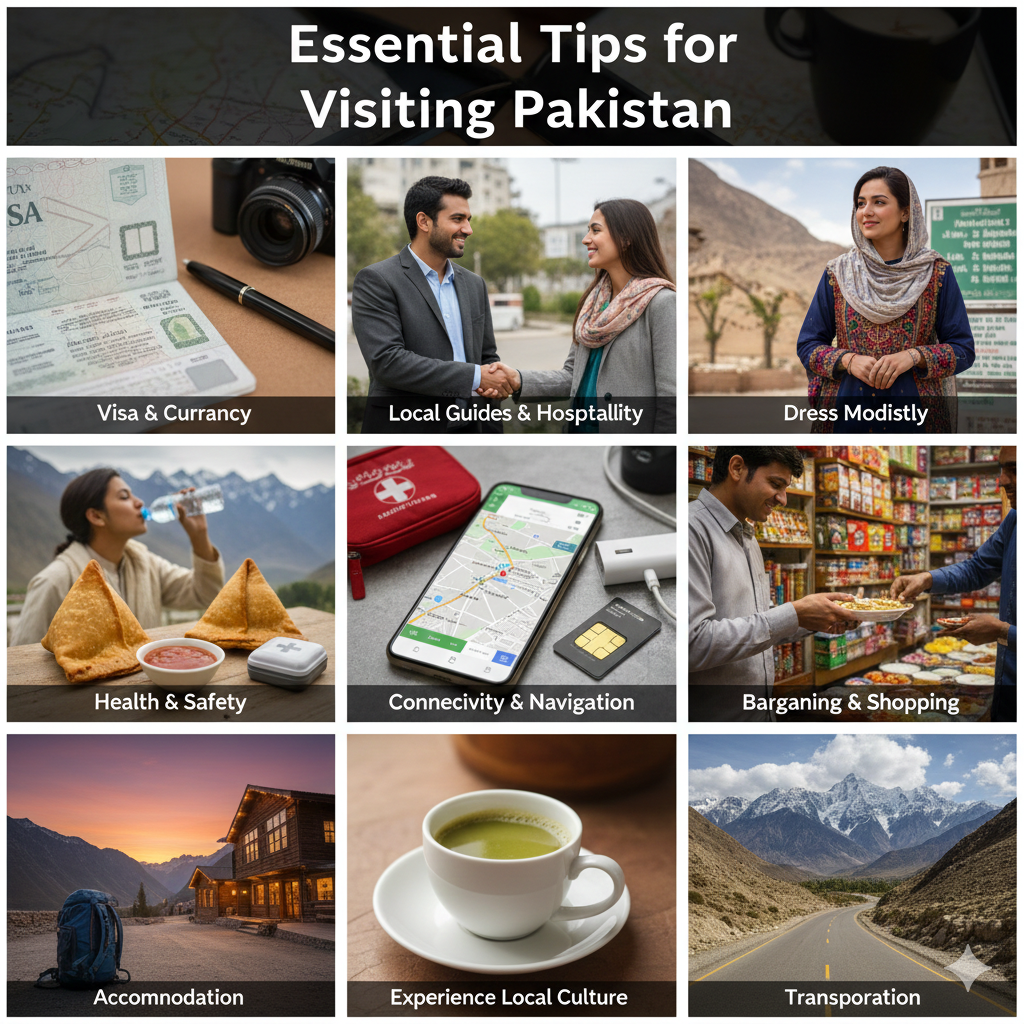

Pakistan welcomes travelers with open arms, offering adventures that range from mountain expeditions to cultural immersion. With proper preparation and an open mind, your journey through this diverse nation will be safe, enriching, and memorable.
Visa and Entry Requirements: Most visitors need a visa to enter Pakistan. The online visa system has simplified this process considerably. Apply well in advance and ensure your passport has at least six months validity. Some areas, particularly near borders and in certain northern regions, require special permits, so research your itinerary thoroughly.
Best Time to Visit: Pakistan’s climate varies dramatically by region. For northern areas like Hunza, Skardu, and Swat, visit between April and October when roads are accessible and weather is pleasant. Lahore and central Pakistan are best enjoyed from November to March, avoiding the intense summer heat. Coastal Karachi remains warm year-round but is most comfortable in winter months.
Cultural Sensitivity: Pakistan is a conservative, predominantly Muslim country. Dress modestly, especially when visiting religious sites or rural areas. Women should carry a dupatta (scarf) and avoid tight or revealing clothing. Men should avoid shorts in most public spaces. During Ramadan, avoid eating, drinking, or smoking in public during daylight hours out of respect for those fasting.
Language: Urdu is the national language, but English is widely spoken in cities and tourist areas. Learning basic Urdu phrases like “shukriya” (thank you), “jee” (yes), and “assalam-o-alaikum” (greetings) goes a long way in connecting with locals. In northern areas, various regional languages are spoken, but you’ll usually find someone who speaks Urdu or English.
Safety: Pakistan is generally safe for tourists, particularly in major cities and established tourist destinations. Travel with registered tour operators in remote areas, stay informed about local conditions, and follow government travel advisories. Pakistani people are remarkably hospitable and often go out of their way to help visitors.
Currency and Money: The Pakistani Rupee (PKR) is the local currency. ATMs are available in cities, but carry cash when traveling to remote areas. Credit cards are accepted in major hotels and restaurants in urban centers, but cash remains king in most places. Small denomination notes are useful for tips and small purchases.
Transportation: Domestic flights connect major cities and save considerable time. For road travel, hiring a driver is advisable, especially in mountainous regions where roads can be challenging. The Karakoram Highway and other northern routes offer spectacular scenery but require experienced drivers. Apps like Careem and Uber operate in major cities for convenient local transport.
Food and Water: Pakistani cuisine is delicious but can be spicy. Stick to busy, popular restaurants where food turnover is high. Drink only bottled or filtered water, and be cautious with ice. Street food is part of the authentic experience, but start slowly to let your system adjust.
Health Precautions: Consult your doctor about recommended vaccinations before traveling. Bring any prescription medications in original packaging, along with a doctor’s note. Altitude sickness can affect visitors to northern mountain regions, so ascend gradually and stay hydrated. Basic medications for stomach issues are wise to pack.
Hospitality and Interaction: Pakistani hospitality is legendary. Don’t be surprised if locals invite you for tea or meals. These genuine gestures of friendship offer wonderful cultural insights. However, use common sense, especially when traveling solo. Trust your instincts and stick to public places when meeting new people.
Pakistan rewards curious travelers with experiences found nowhere else on Earth. Approach your visit with respect, flexibility, and openness, and you’ll discover why those who visit Pakistan often return.